Aquablation therapy for men
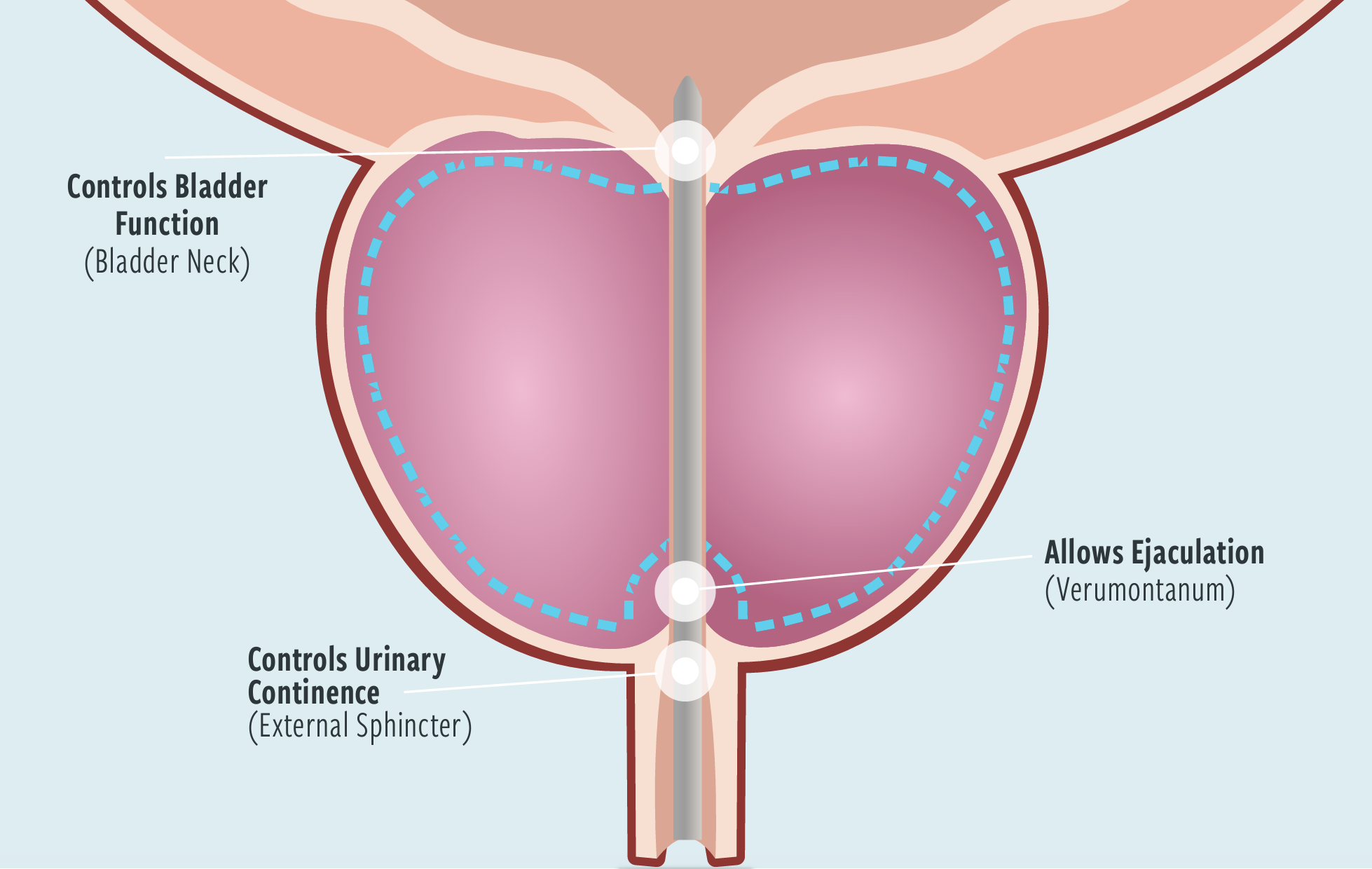
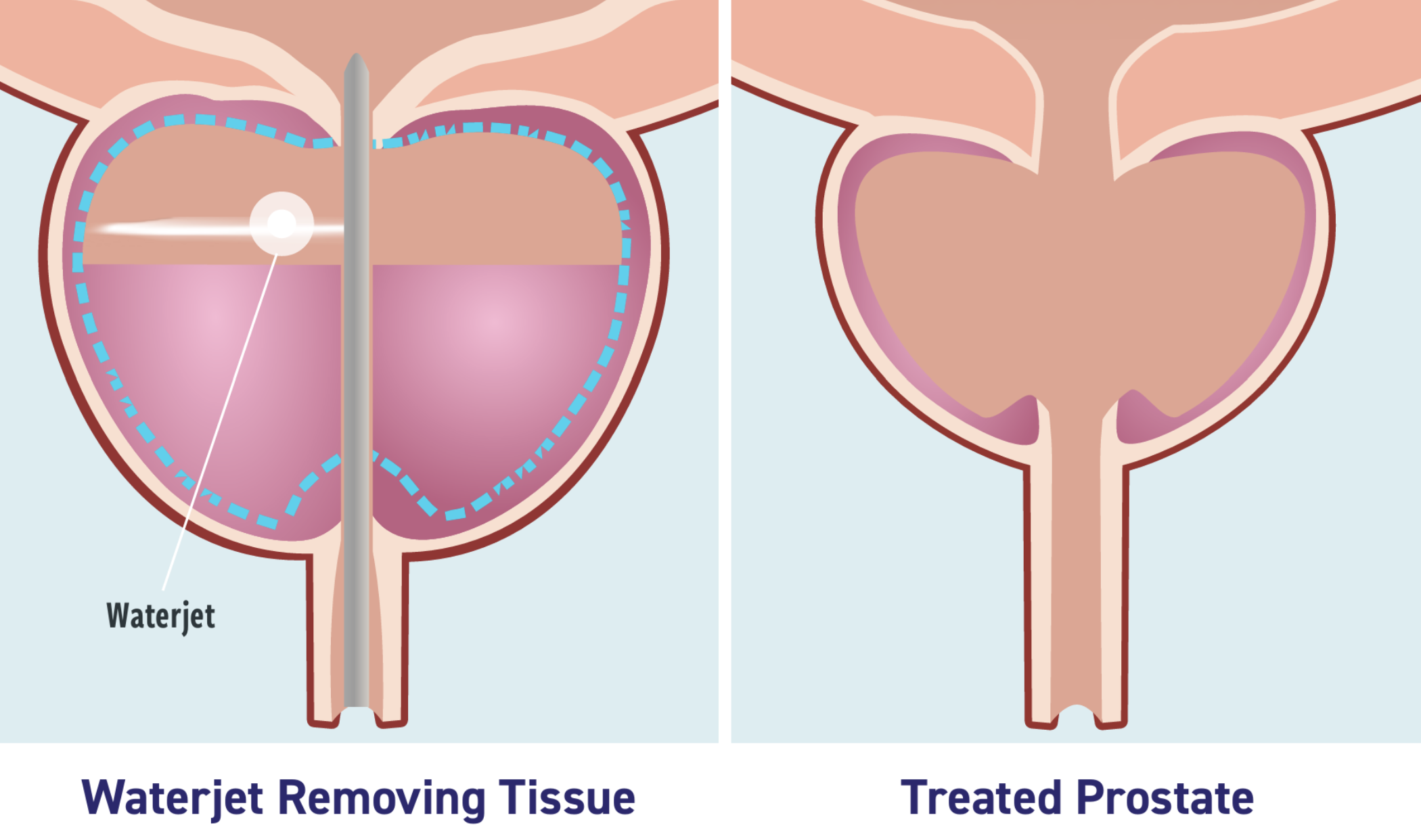
St. Charles Urology Clinic offers Aquablation therapy, an advanced, minimally invasive treatment for benign prostatic hyperplasia (BPH), also known as an enlarged prostate, that uses imaging, robotics and a heat-free water jet to provide longlasting relief from symptoms while protecting sexual function and bladder control, no matter the size or shape of the prostate.
What is BPH?
Benign Prostatic Hyperplasia (BPH), or an enlarged prostate, is a prostate that has grown to be larger than normal. BPH is not prostate cancer. As the prostate grows, it may constrict the urethra, making it difficult to urinate, and/or apply pressure on the bladder, causing it to weaken and have difficulty emptying.
How does BPH impact me?
BPH may cause two kinds of symptoms that can impact your quality of life:
- Ability to hold urine – causing you to search for bathrooms throughout the day or to wake up several times a night
- Emptying your bladder – causing you to push or strain when urinating or to have a weak stream that starts and stops a lot
If BPH symptoms are left untreated, bladder and kidney function may be impacted over time. Additionally, using medications for a long time to manage BPH symptoms increases the risk of heart failure and dementia. Choosing a treatment option can be overwhelming, as it often forces men to compromise in some way. This could mean not responding well to medication, getting limited relief, having a long recovery time, or even having issues with sexual function.
What makes Aquablation therapy unique?
- It offers your surgeon two kinds of imaging to see your entire prostate. Imagine seeing through an open door rather than through a keyhole.
- It uses robotics and advanced computer software, which allows your surgeon to create a personalized treatment plan to precisely remove tissue.
- It uses a heat-free waterjet to remove tissue.
What to expect after Aquablation therapy
Following your Aquablation therapy procedure, your doctor will provide specific discharge instructions and advise on signs and symptoms that may require further medical attention. If a urinary catheter was placed in your bladder following Aquablation therapy, it will typically be removed within one to two days.¹ However, some patients may require a catheter for a longer time. Your doctor will provide you with specific discharge instructions and information, which you should follow.
In general, the most common side effects reported by patients include:
- Temporary “burning” when urinating
- Seeing blood and/or tissue debris in the urine for a few weeks after surgery
- Urinary symptoms, including force of the stream, hesitancy, or intermittency
- Symptoms such as frequency, urgency, and nighttime urinating. These may be “bladder symptoms” and may take longer to improve (sometimes several months)
Most symptoms typically resolve within two to four weeks after Aquablation therapy, though individual results may vary.
Usually, you can return to your everyday activities within a short time after the Aquablation therapy procedure. If you have any questions on which activities to resume, ask your doctor.
Source: PROCEPT BioRobotics, Aquablation Therapy [Brochure]